April 29, 2026
Scheduling routine HVAC maintenance is one of the best ways to protect your comfort, lower energy costs, and extend the life of your heating and cooling system. A professional tune-up helps identify small issues before they become expensive repairs, while also keeping airflow, temperature control, and overall performance at their best. Whether you own a home or manage a commercial property, working with a trusted local HVAC company ensures your system receives the attention it needs throughout the year and in every changing season.
Many property owners wait until something goes wrong before calling for service, but preventive maintenance is far more cost-effective. During a tune-up, technicians inspect major components, test system performance, clean critical parts, and make adjustments that improve efficiency and help reduce the likelihood of unexpected emergency repairs. According to HomeServe, if your HVAC system is older (five or more years), scheduling two tune-ups per year is recommended to catch any issues early.
Preparing and Assessing the System
The tune-up process usually begins with scheduling a service visit and discussing any concerns you may have, such as inconsistent temperatures, unusual noises, rising utility bills, or poor airflow. A reputable local HVAC company will use this initial conversation to better understand the system's history, age, and any recent performance issues. This step is especially helpful because it gives the technician insight into recurring problems that may not be immediately visible during the inspection. For example, if certain rooms stay warmer than others or the system seems to cycle too frequently, those details can guide the technician toward airflow or thermostat-related issues. The technician may also ask about recent filter changes, prior repairs, and whether the system has struggled during recent weather shifts.
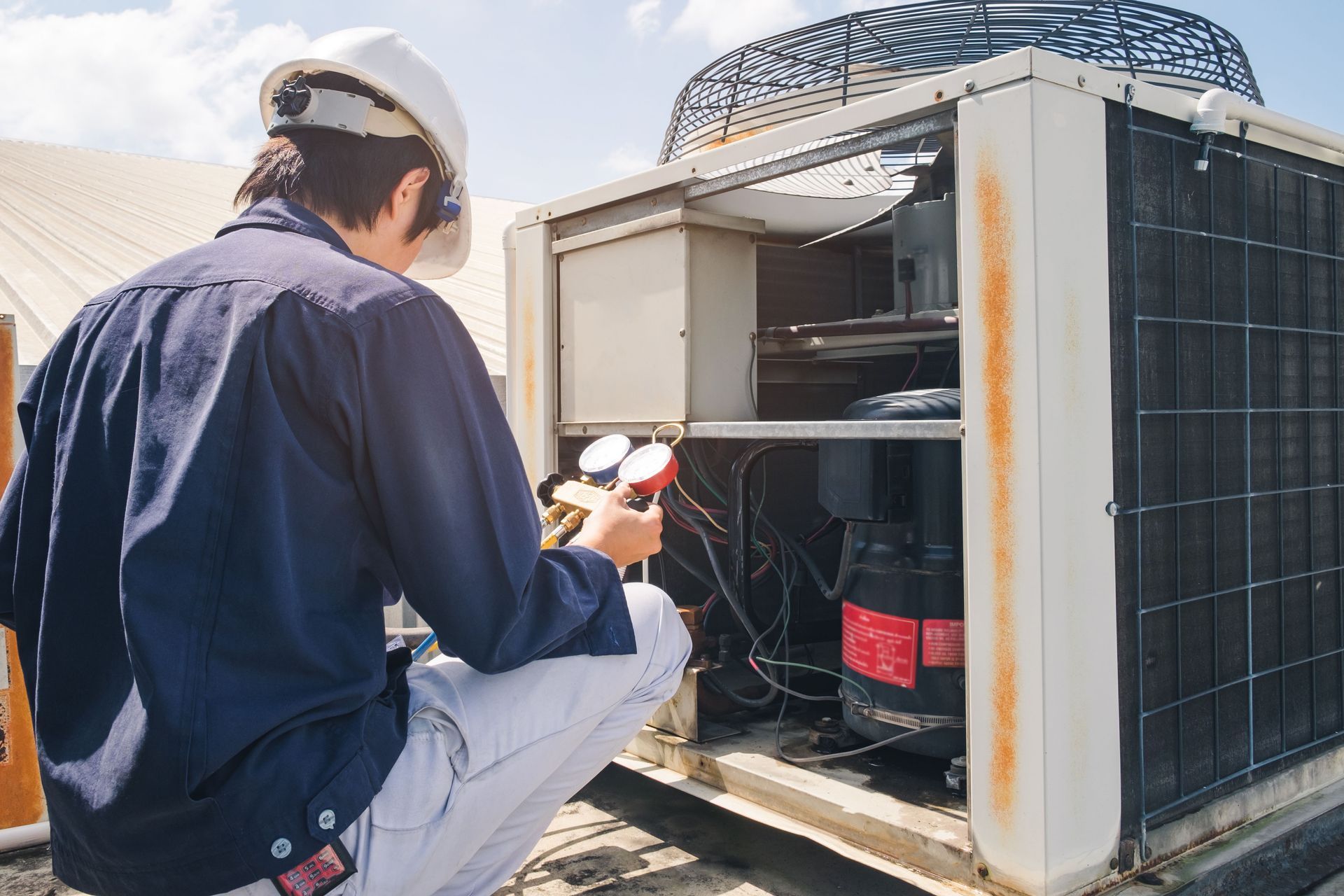
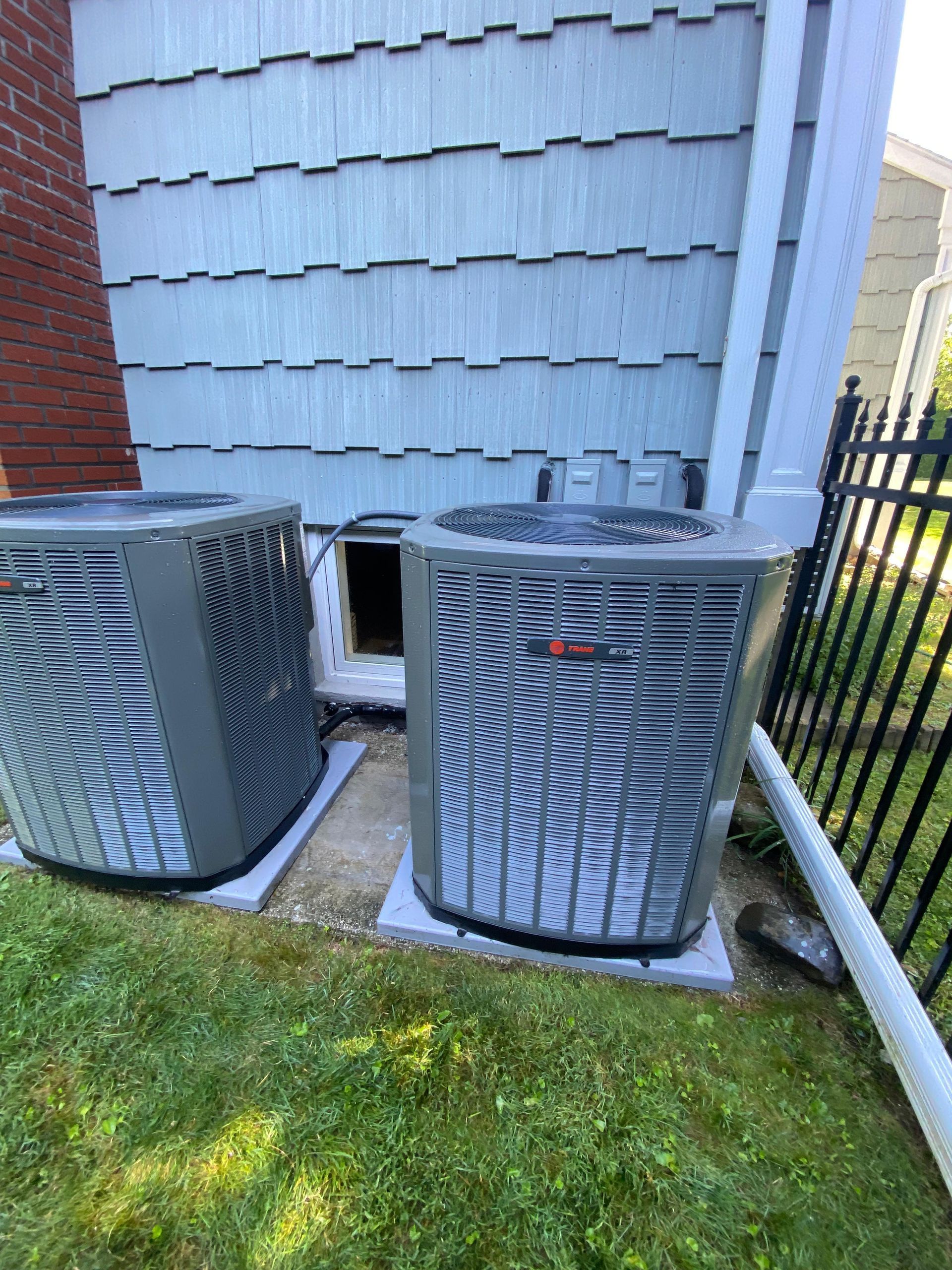
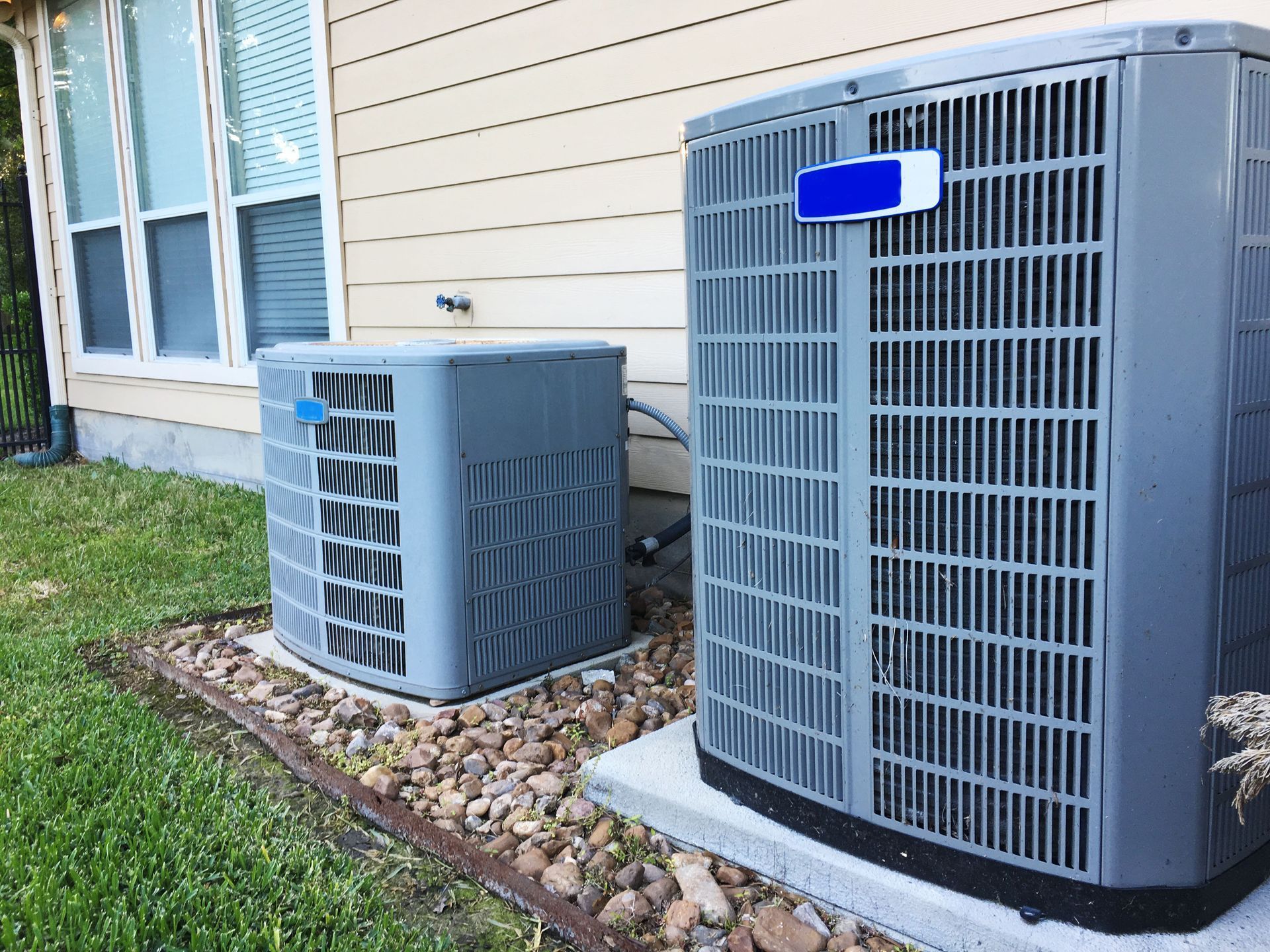
Once on-site, the technician performs a full visual inspection of the indoor and outdoor components. This includes checking the condenser unit, air handler, visible duct connections, vents, and surrounding conditions that may affect performance, such as debris, landscaping, or restricted airflow. The goal is to build a complete picture of how the system is operating before moving into deeper diagnostics. They may also inspect drain lines for clogs, look for signs of moisture around the unit, and note any visible wear on insulation, wiring, or mounting hardware. These observations help identify early warning signs before they lead to more costly repairs. In some cases, airflow readings may be taken to help pinpoint hidden restrictions within the duct system.
Safety is also part of this early stage. Power is shut off where necessary, electrical hazards are evaluated, and the workspace is kept organized to ensure a smooth service visit. These early steps allow the rest of the tune-up to move efficiently and safely. In many cases, the technician will also verify that vents and return grilles are unobstructed to support proper airflow throughout the property. Taking time during this assessment phase helps create a more accurate maintenance plan for the rest of the visit.
Checking and Adjusting the Thermostat
One of the most important parts of an HVAC tune-up is evaluating the thermostat. Even if the mechanical equipment is in good condition, an improperly calibrated thermostat can cause the entire system to run inefficiently. The technician checks whether the displayed temperature matches the actual room temperature and makes adjustments as needed. Even a few degrees of inaccuracy can result in higher energy bills and uneven comfort levels.
Placement is also reviewed. If the thermostat is near direct sunlight, doors, windows, or heat-producing appliances, it may provide inaccurate readings. In these cases, your local HVAC company may recommend relocating it or upgrading to a programmable or smart thermostat for better accuracy and convenience. Smart thermostat upgrades can also offer scheduling options, mobile access, and energy reports that help homeowners better manage usage.
Battery condition, programmed schedules, and seasonal settings are also checked during this phase. Proper programming helps avoid unnecessary heating or cooling when the building is unoccupied, which can significantly reduce monthly utility costs. Technicians often help fine-tune these settings based on your daily routine.
Inspecting and Testing Electrical Components
Electrical systems are essential to safe HVAC operation, so technicians carefully inspect all accessible wiring, terminals, and connections. Loose wires, corrosion, or worn insulation can affect performance and may even create safety hazards if left unaddressed. This inspection helps reduce the risk of system failure during periods of extreme weather when reliable heating and cooling matter most.
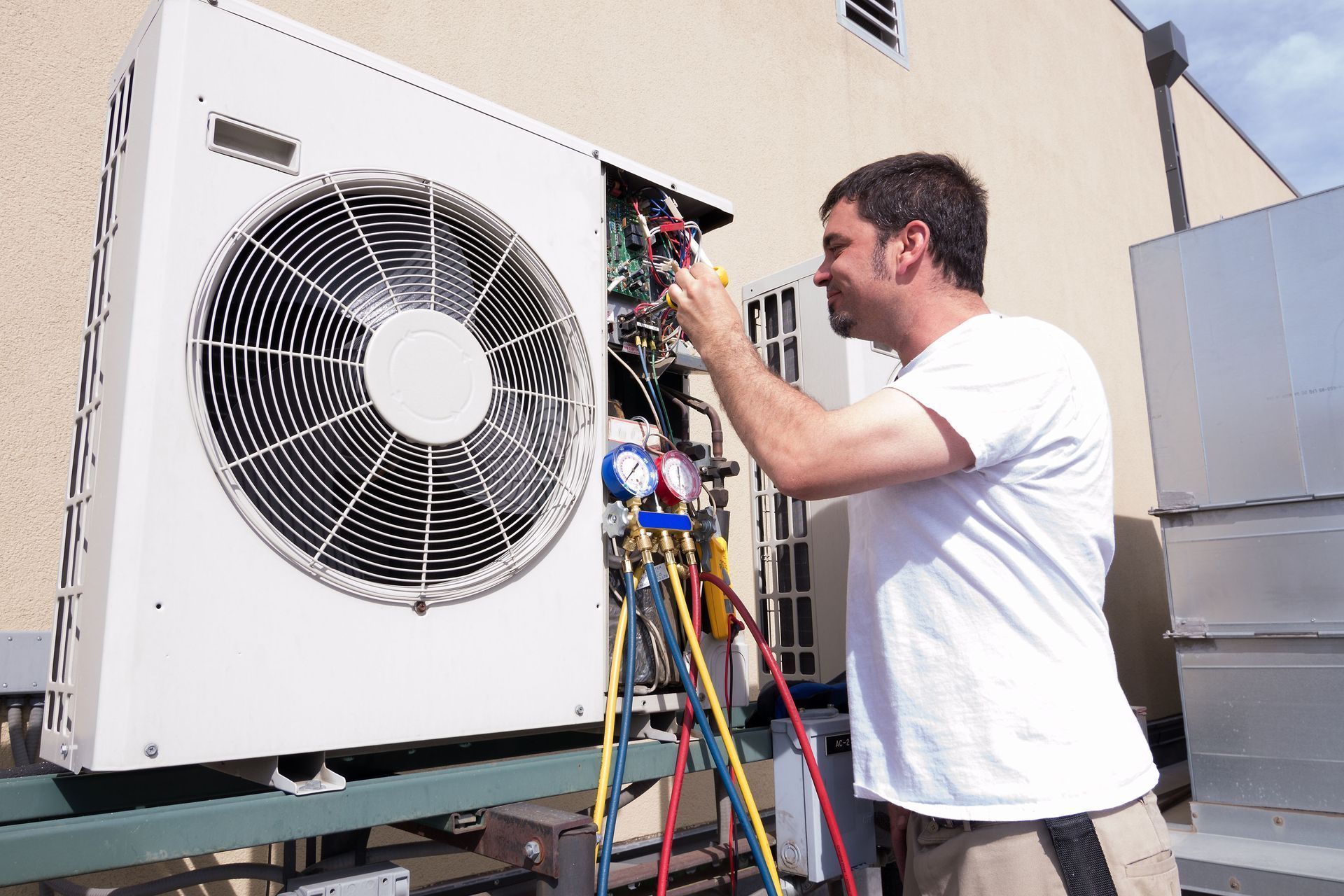
During this part of the visit, voltage and amperage readings are tested to ensure the unit is operating within manufacturer specifications. Capacitors, relays, contactors, and other electrical components are also evaluated for wear. Catching these issues early helps prevent sudden system breakdowns during peak heating or cooling seasons. In addition, motors and control boards may be checked to ensure proper communication between components.
A skilled local HVAC company will often address minor electrical issues on the spot, helping restore efficiency and improve system reliability before they become larger repair needs.
Cleaning and Optimizing Performance
Cleaning is one of the most valuable aspects of a professional tune-up. Dust, dirt, and debris can accumulate on coils, filters, blower components, and outdoor condenser fins, reducing system efficiency and forcing the unit to work harder than necessary. Over time, this buildup can shorten the life of major components and increase energy consumption.
During service, the technician typically replaces or cleans the air filter, removes debris from outdoor units, cleans evaporator and condenser coils where accessible, and checks the blower assembly for buildup. Lubricating moving parts and inspecting belts, motors, and fan blades may also be included depending on the system type. These tasks help the system run more smoothly and quietly.
These steps improve airflow, reduce wear on components, and help your system maintain consistent indoor comfort. Partnering with a dependable local HVAC company for regular cleaning-based maintenance can also improve indoor air quality by reducing dust and airborne contaminants. Cleaner components also help the system reach desired temperatures more efficiently.
Testing and Monitoring Overall Operation
After cleaning and component inspections are complete, the system is powered back on for performance testing. The technician checks startup and shutdown cycles, airflow output, temperature split, refrigerant pressure where applicable, and overall system responsiveness. This final testing phase helps confirm that all systems are working together correctly.
This stage confirms that all adjustments made during the tune-up are producing the desired results. The technician may also review duct airflow, listen for abnormal sounds, and confirm that the system is cycling efficiently without short running or excessive strain. If needed, additional minor adjustments can be made at this point.
Before leaving, your local HVAC company should provide a summary of findings, recommendations for future service, and any repair suggestions if worn components were identified during the inspection. This gives you a clear understanding of your system's current condition and what steps can help maintain long-term performance.
Routine HVAC tune-ups are a smart investment in comfort, energy efficiency, and long-term equipment performance. By scheduling regular service, you help prevent breakdowns, improve indoor air quality, extend the lifespan of critical components, and keep your system operating at peak efficiency through every season of the year. For more information about the services that we offer, reach out to our incredible team at HS Enviromax Heating & Cooling Corp today!