January 30, 2026
Mini split systems, known for their efficiency and adaptability, have become a staple in both residential and commercial settings. Regular maintenance is essential to ensure these systems operate smoothly and achieve their potential energy savings. Establishing a consistent approach to mini splits maintenance helps protect performance while reducing unexpected repair costs. By understanding the intricacies of mini splits and their maintenance, you can prolong their lifespan and optimize their performance. Let's explore why regular maintenance is key and how it influences the efficacy and efficiency of mini split systems.
Understanding Mini Split Systems
Components of a Mini Split System
Mini split systems consist of various components, each playing a crucial role in the overall functionality. The indoor unit houses an evaporator, which is responsible for cooling or heating the air. Connected to it through refrigerant lines is the outdoor unit, which contains a compressor and condenser essential for efficient energy transfer. These components work together to regulate temperature, and any malfunction can significantly disrupt this balance. Understanding these key elements is pivotal for effective maintenance and troubleshooting, particularly when planning routine mini splits maintenance.
The connections between the indoor and outdoor units are facilitated by refrigerant lines that carry the cooling or heating medium. Proper installation of these lines is crucial to prevent leaks and inefficiencies. These systems are scalable; according to Rewiring America, a mini split system can blow cool air from up to six separate air handlers, hence why it can offer customized zone-control. This flexibility makes them ideal for diverse spaces requiring targeted temperature control. Regular inspections as part of mini splits maintenance help protect these connections and maintain system efficiency.
Despite their compact size, mini splits have a significant impact on indoor comfort. The indoor air handlers distribute the conditioned air, often mounted on walls or ceilings for effective air circulation. It's imperative to keep these units clean to avoid dust accumulation, which can obstruct airflow and reduce efficiency. Equally, the outdoor unit must be clear of debris to maintain effective air exchange. Consistent mini splits maintenance supports reliability and extends the operational life of these components.
Common Uses and Benefits
Mini splits are celebrated for their versatility and adaptability across various environments. They are widely used in homes where central HVAC systems are not viable, offering a cost-effective heating and cooling solution. In commercial settings, they provide customizable temperature control, crucial for workspaces with variable occupancy and differing cooling needs. Their ductless nature means they incur fewer energy losses, thus improving overall energy efficiency. These benefits are best preserved through regular mini splits maintenance.
The benefits of mini split systems extend beyond just cooling or heating. They also contribute to indoor air quality by reducing the need for ductwork, which can harbor dust and allergens. Their filtration systems capture particulate matter, ensuring a healthier indoor environment. Additionally, because they deliver conditioned air directly to designated zones, they provide precise climate control without energy wastage. Ongoing mini splits maintenance helps maintain these advantages over time.
With the ability to offer zone-control, mini splits provide significant energy savings. Users can adjust the climate in individual rooms, significantly reducing energy consumption when compared to heating or cooling an entire building. However, skipping mini splits maintenance can undermine these savings by allowing inefficiencies to develop unnoticed.
How Mini Splits Differ from Traditional Systems
Mini splits differ from traditional HVAC systems in several ways, starting with their installation process. Unlike traditional systems that require ductwork, mini splits are ductless, simplifying installation and reducing structural alteration costs. This lack of ducts also means fewer energy losses, offering an edge in efficiency compared to its conventional counterparts. These benefits are more noticeable when mini splits maintenance is handled correctly.
The functionality of mini splits is another distinguishing factor from traditional systems. Their inverter technology allows for on-demand cooling and heating, making them versatile for year-round comfort. However, this advanced technology also means that mini splits maintenance should be approached carefully to avoid performance issues.
Maintenance needs also set mini splits apart from traditional systems. With fewer mechanical components and no ductwork, there is less wear and tear, reducing routine maintenance requirements. However, the precision technology involved means professional mini splits maintenance remains an important part of long-term system care.
Why Regular Maintenance Is Critical
Regular maintenance of mini split systems is fundamental to optimizing their energy efficiency and performance. Consistent servicing reduces the likelihood of breakdowns, which can be both costly and inconvenient. A well-planned mini splits maintenance routine also helps keep utility bills predictable and manageable.
A properly maintained mini split system can last for many years, whereas neglect can drastically shorten its lifespan. Efficiency fades over time without appropriate upkeep, which is why scheduling mini splits maintenance is a practical investment rather than an optional task.
Failure to maintain mini splits can lead to restricted airflow, refrigerant leaks, and unnecessary strain on the system. Routine mini splits maintenance allows technicians to identify these concerns early, helping avoid more serious system failures.
Typical Maintenance Tasks
Routine maintenance of mini splits involves a variety of key tasks to support smooth operation. One essential task is cleaning or replacing filters, which helps maintain air quality and system efficiency. Filter care is one of the most frequent aspects of mini splits maintenance.
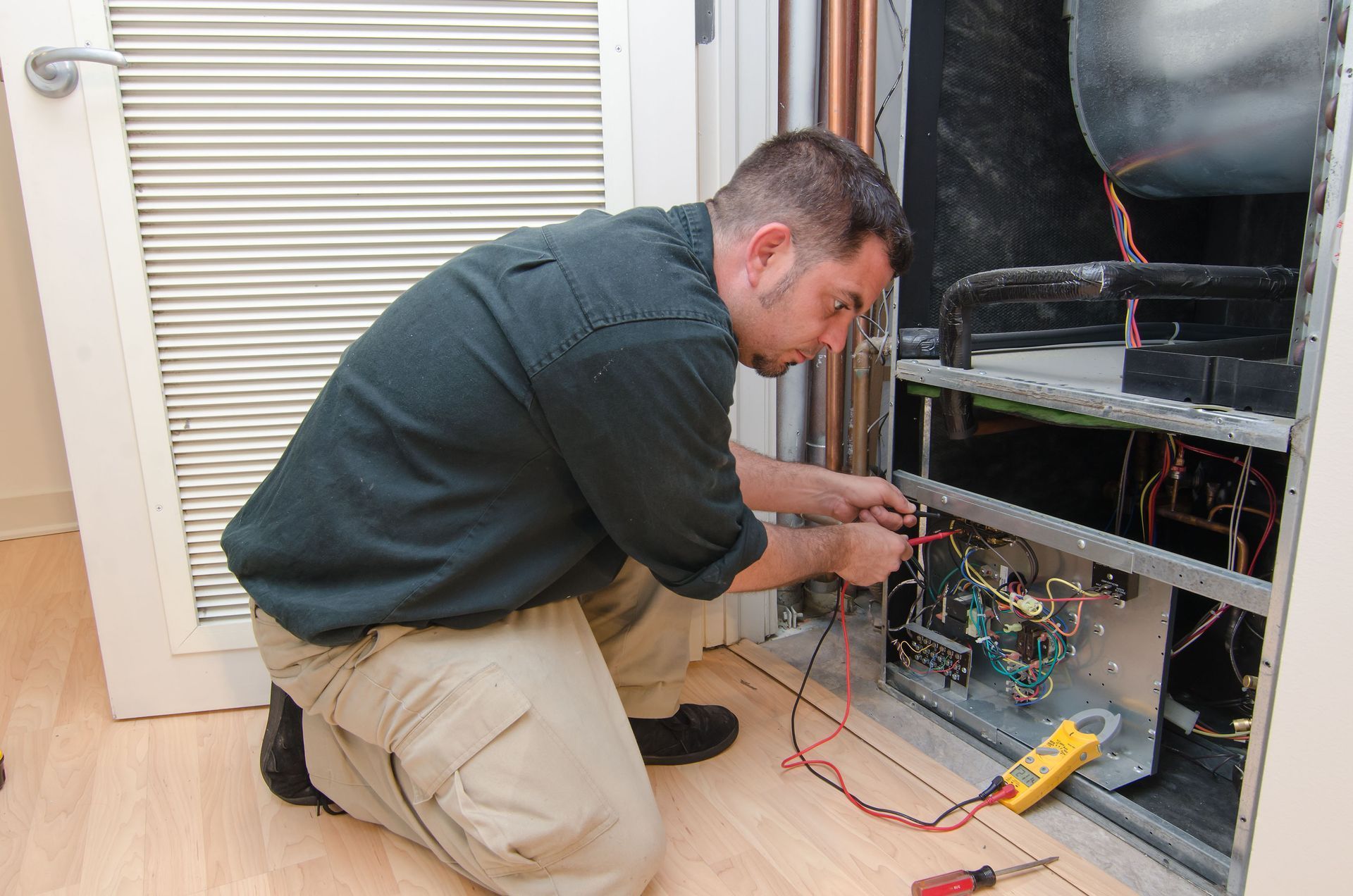
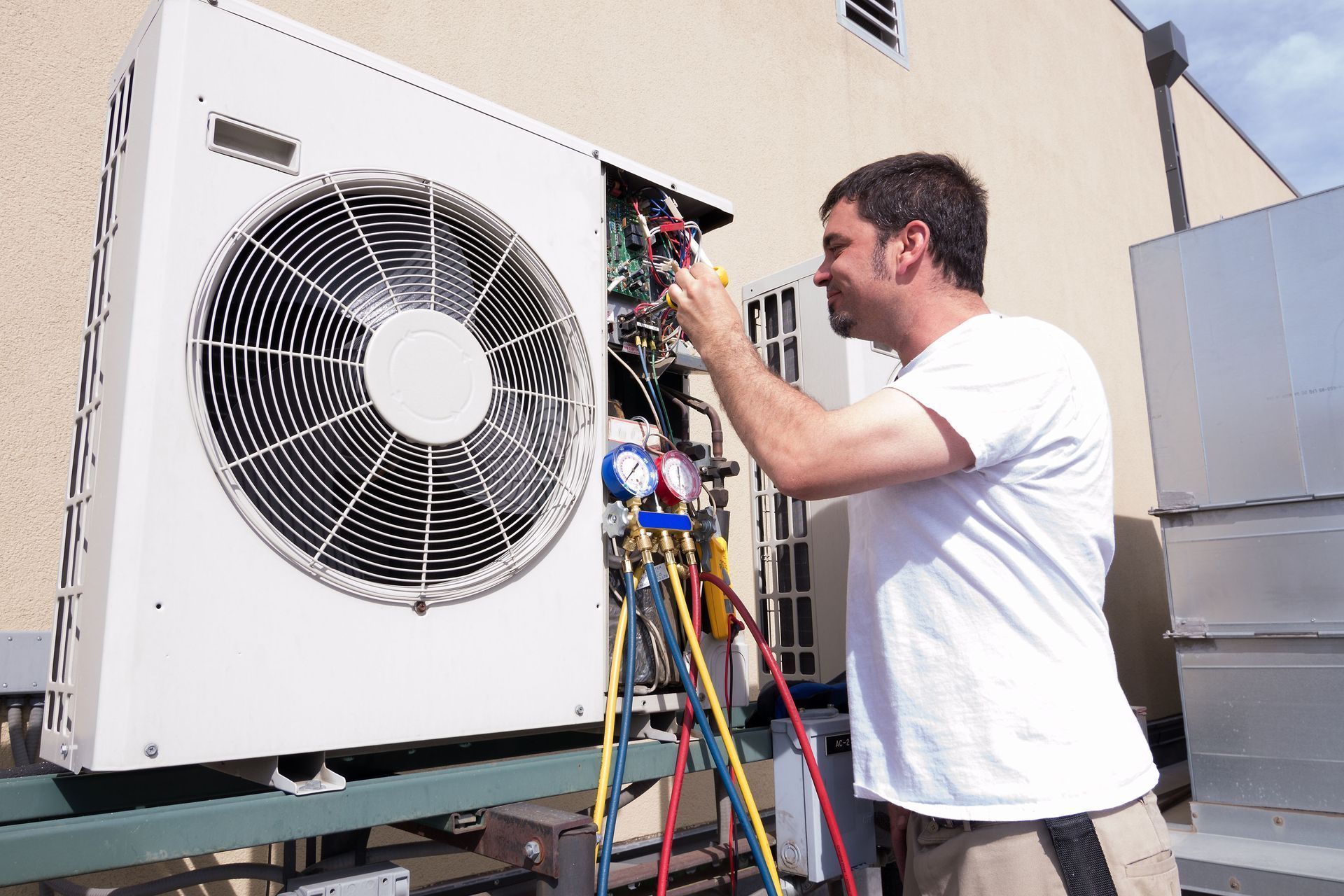
Electrical components and connections should also be inspected regularly to prevent potential hazards. Technicians commonly review these elements during professional mini splits maintenance visits to confirm safe operation.
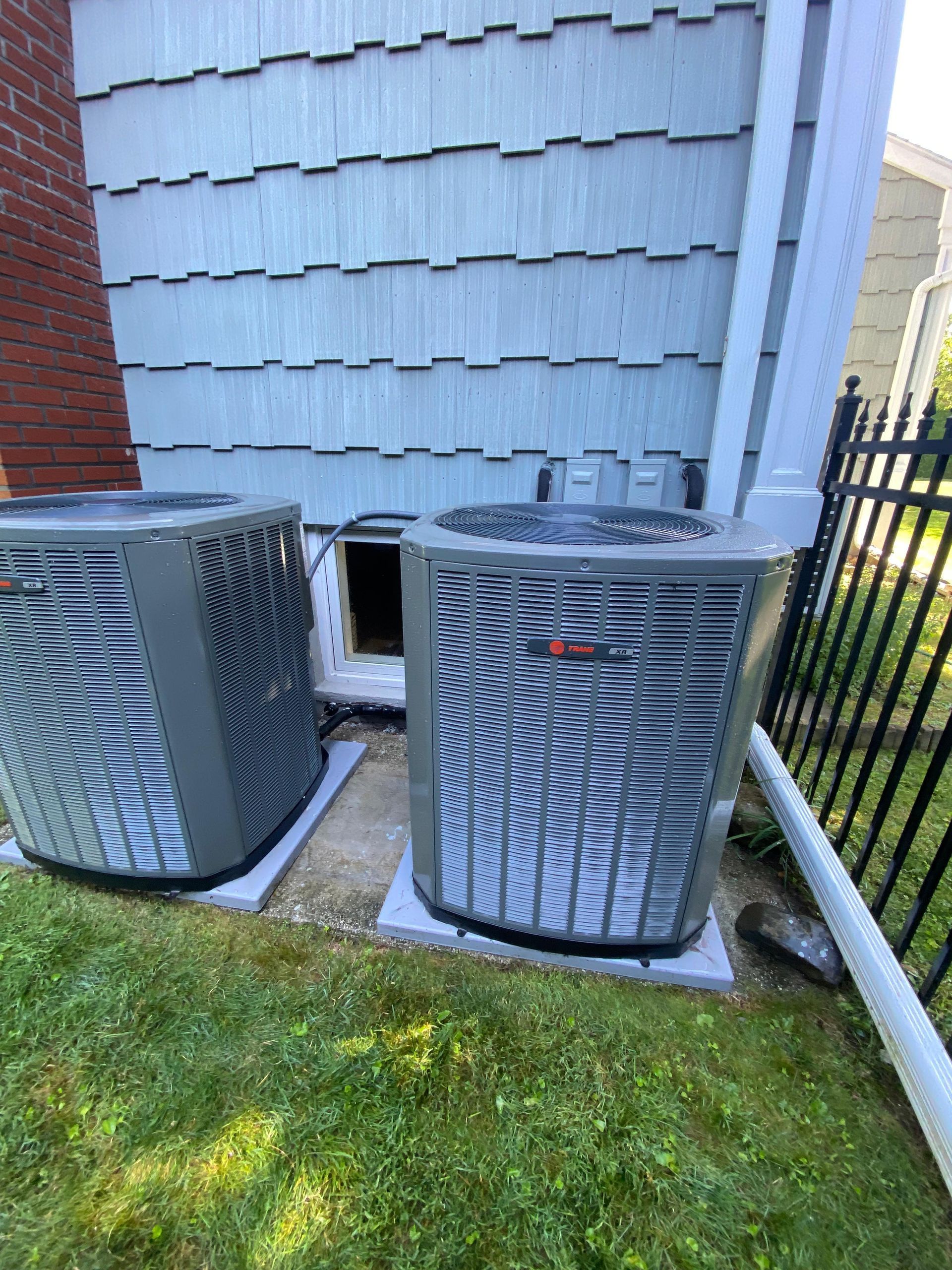
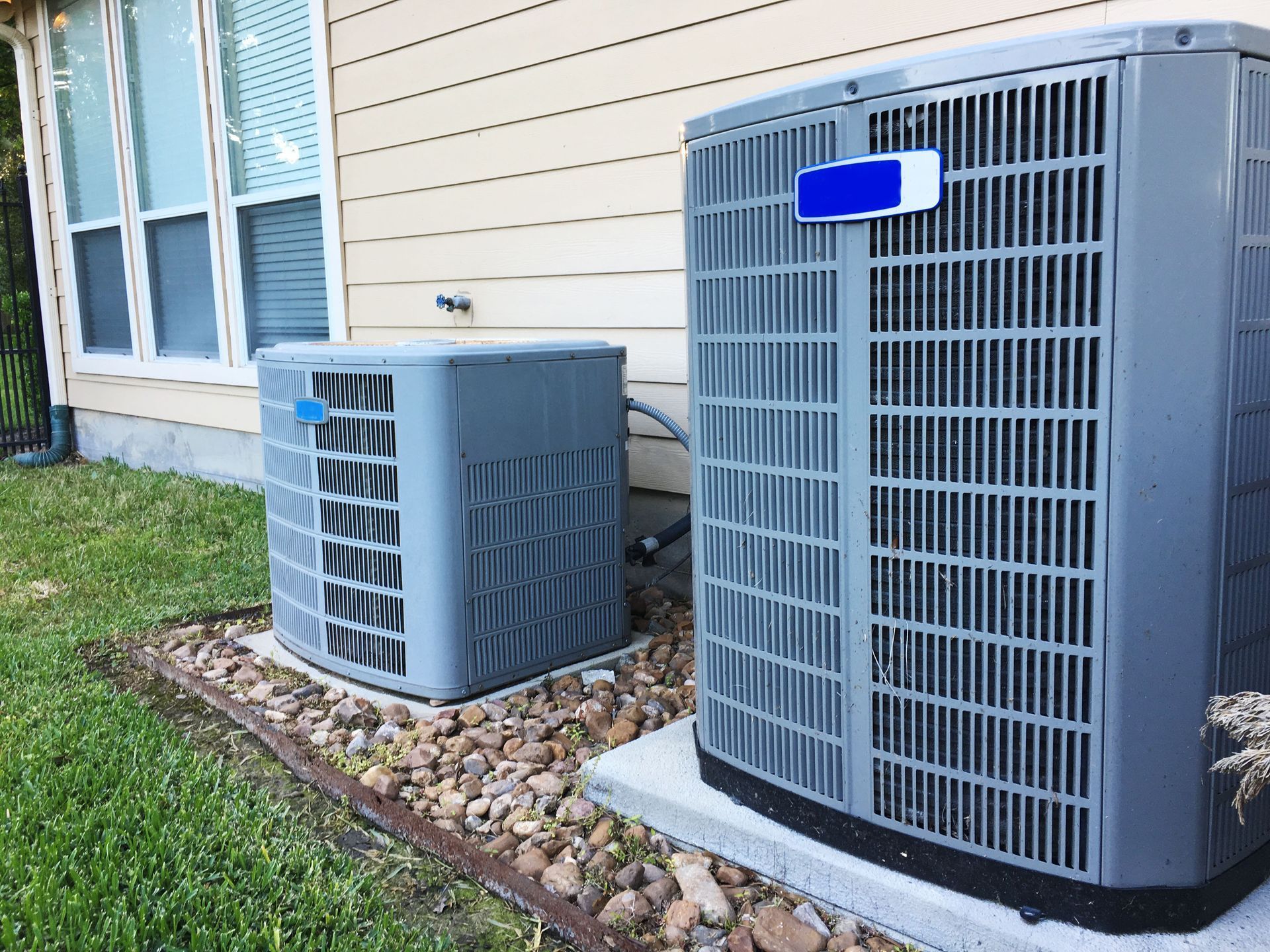
Cleaning the outdoor unit is another critical task. Leaves, dirt, and debris can obstruct airflow and reduce efficiency.
Thorough mini splits maintenance includes addressing these external factors that often go unnoticed.
Maintenance Frequency and Long-Term Performance
How often mini split systems should be serviced depends largely on usage patterns, environmental conditions, and the number of indoor units connected to the system. Homes that rely on mini splits year-round typically benefit from more frequent inspections compared to systems used only seasonally. Dust levels, pet dander, and humidity can all accelerate wear, making consistent attention an important part of system care.
In many cases, homeowners can manage light upkeep tasks such as filter cleaning between professional visits. This ongoing attention reduces strain on internal components and supports stable airflow. Still, professional evaluations remain essential for identifying issues that are not visible during routine cleaning, such as refrigerant imbalances or electrical wear. Balancing homeowner care with scheduled professional service creates a reliable maintenance rhythm.
From a cost perspective, regular service often results in fewer emergency repairs and lower operating expenses over time. Systems that are allowed to run inefficiently tend to consume more electricity, gradually increasing monthly energy bills. Addressing small issues early through consistent maintenance reduces the likelihood of sudden failures during peak heating or cooling periods.
Well-maintained systems also provide more consistent indoor comfort. Temperature fluctuations, delayed startup times, or uneven airflow often trace back to neglected components. By keeping all elements operating as intended, owners experience smoother performance and quieter operation throughout the year. Over time, this consistency reinforces the value of structured maintenance planning.
Ultimately, treating mini split care as an ongoing process rather than a one-time task supports long-term reliability. Whether the system serves a single room or multiple zones, regular attention allows it to operate closer to its designed efficiency. This approach not only protects the system itself but also supports comfort, energy management, and predictable ownership costs. Contact HS Enviromax Heating & Cooling Corp today to learn more.