December 29, 2025
A mini split installation is an excellent choice for homeowners seeking energy-efficient, flexible, and quiet climate control solutions. These ductless systems provide both heating and cooling without requiring extensive ductwork, making them ideal for homes with unique layouts, additions, or older construction. Unlike traditional HVAC systems, mini splits allow for precise temperature control in individual zones, improving comfort while reducing energy waste.
Understanding the mini split installation process is crucial to ensure a smooth setup, avoid unexpected costs, and maximize the system's long-term performance. From selecting the right system to post-installation maintenance, every step plays a role in the efficiency and durability of your new climate control solution. This guide is a comprehensive resource for homeowners, providing a clear roadmap for a successful mini split installation, including practical advice, technical considerations, and strategies to enhance comfort and energy savings.
Understand Mini Split Systems
A mini split system is composed of an indoor unit that distributes conditioned air and an outdoor unit responsible for heat exchange. The split design allows the system to be compact, energy-efficient, and suitable for homes with limited space or unusual layouts. Each indoor unit operates independently, enabling zoning for customized comfort. This means bedrooms, offices, and living areas can each maintain a temperature that suits their occupants, while reducing energy consumption in unoccupied spaces.
Unlike traditional HVAC systems that rely on ductwork, mini splits deliver air directly to the desired zones, eliminating duct losses that can account for lots of energy consumption. The indoor and outdoor units are connected by insulated refrigerant lines, which carry heat to and from the air handlers. This direct delivery system ensures that energy is used efficiently, providing consistent comfort while lowering utility bills. The quiet operation of mini splits adds to their appeal, as indoor units typically produce minimal noise compared to conventional forced-air systems.
Mini splits also improve indoor air quality. Ducts in traditional HVAC systems can harbor dust, allergens, and other pollutants, which can exacerbate respiratory issues. Mini splits feature advanced filtration systems that reduce airborne contaminants and help maintain a healthier home environment. Additionally, mini splits naturally dehumidify during cooling cycles, preventing excess moisture that could promote mold and mildew growth. These benefits make a mini split installation a sound choice for homeowners prioritizing both comfort and health.
Prepare for Mini Split Installation
Proper preparation is essential for a smooth mini split installation. Selecting the right system involves several considerations, including the size of the space, number of zones, BTU capacity, and energy efficiency. Larger rooms require units with higher cooling and heating capacities, while multi-zone systems may include several indoor units connected to a single outdoor unit. Energy efficiency ratings, such as SEER and HSPF, indicate how effectively the system uses energy, directly impacting your long-term utility costs.
Site inspection is a critical step before installation. Indoor units should ideally be mounted approximately six inches from the ceiling, according to Rewiring America. This positioning allows cool air to flow downward while warm air rises, distributing temperature evenly and optimizing comfort. Outdoor units require a stable surface with proper ventilation to prevent overheating and ensure long-term durability. Inspecting the electrical system, structural integrity, and potential obstacles, such as furniture placement or aesthetic concerns, ensures a successful and compliant mini split installation.
Budgeting for a mini split installation goes beyond equipment costs. Homeowners should account for labor, installation accessories, potential retrofits, and any upgrades required for electrical panels. Multi-zone systems and complex installations increase costs, so obtaining multiple quotes from qualified contractors is essential. Additionally, rebates, tax incentives, or utility credits may offset the initial expense, particularly when installing high-efficiency units. Planning a comprehensive budget ensures the installation proceeds without financial surprises.
Permits and paperwork may be necessary, depending on local regulations. HVAC installations often require approval to meet safety and building codes. While most professional installers handle this process, confirming compliance ensures legality and avoids costly penalties. Providing property plans or previous electrical documentation can help streamline the process and prevent delays. Proper preparation, combined with professional expertise, lays the groundwork for a smooth mini split installation.
Select a Qualified Installer
Choosing a qualified installer is vital to ensure a successful mini split installation. Look for professionals with HVAC certifications, extensive mini split experience, and positive customer reviews. Verify warranties on both labor and equipment, as well as ongoing support for maintenance or troubleshooting. A skilled installer ensures compliance with local codes, optimizes system placement, and guarantees performance for years to come.
Interviewing potential contractors allows you to assess expertise, communication skills, and attention to detail. Ask about past installations, handling of multi-zone systems, and approaches to potential challenges. Professionalism and transparency during the consultation phase can indicate how smoothly the installation will proceed. Selecting a knowledgeable, warranty-backed installer minimizes risks, protects your investment, and ensures a properly executed mini split installation.
Execute the Mini Split Installation
Indoor unit placement is a key factor in system efficiency. Units should be mounted about six inches below the ceiling for optimal airflow. This placement ensures that cooler air flows downward naturally while warmer air rises, allowing for consistent heating and cooling throughout the room. Technicians also consider room size, furniture, and airflow patterns when determining the exact location to maximize efficiency.
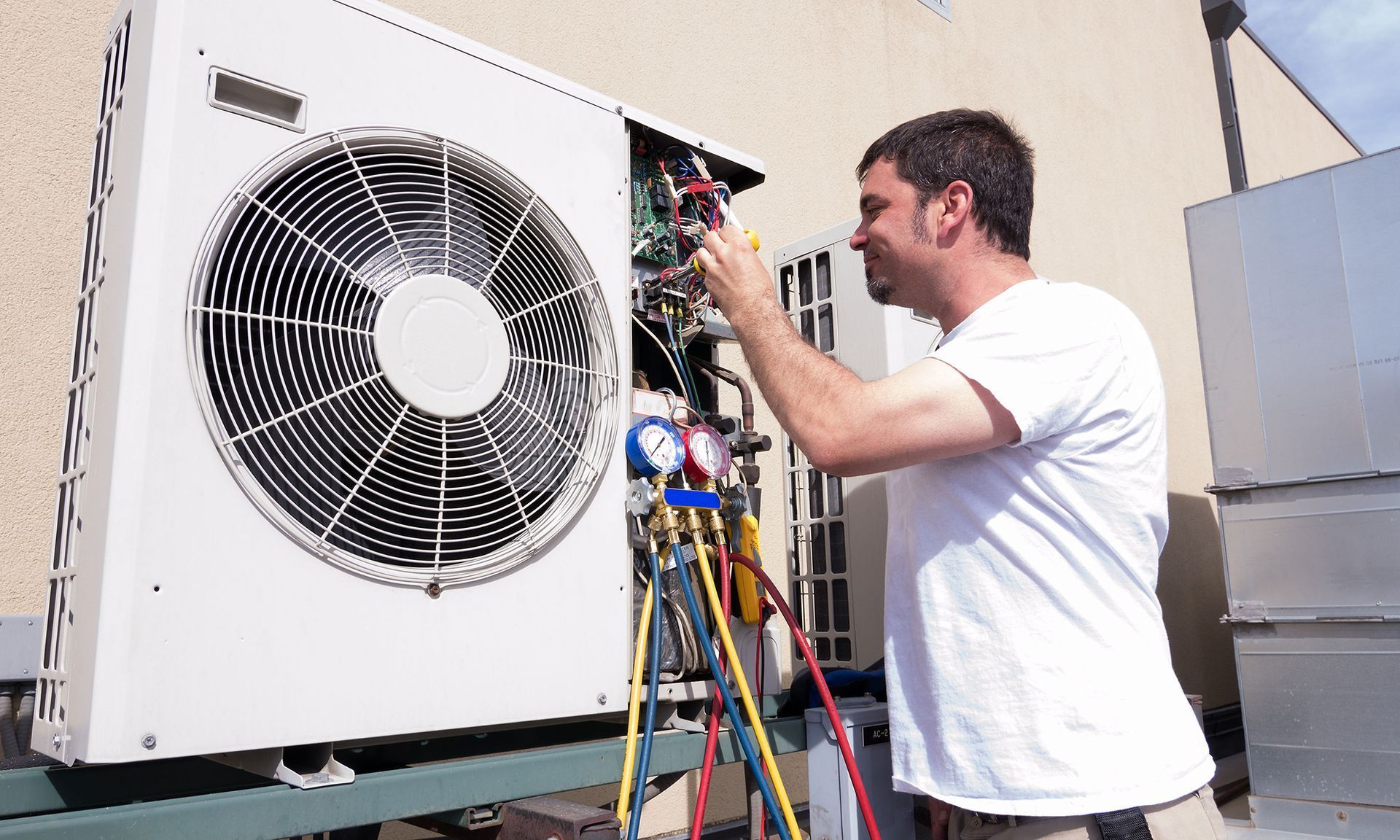
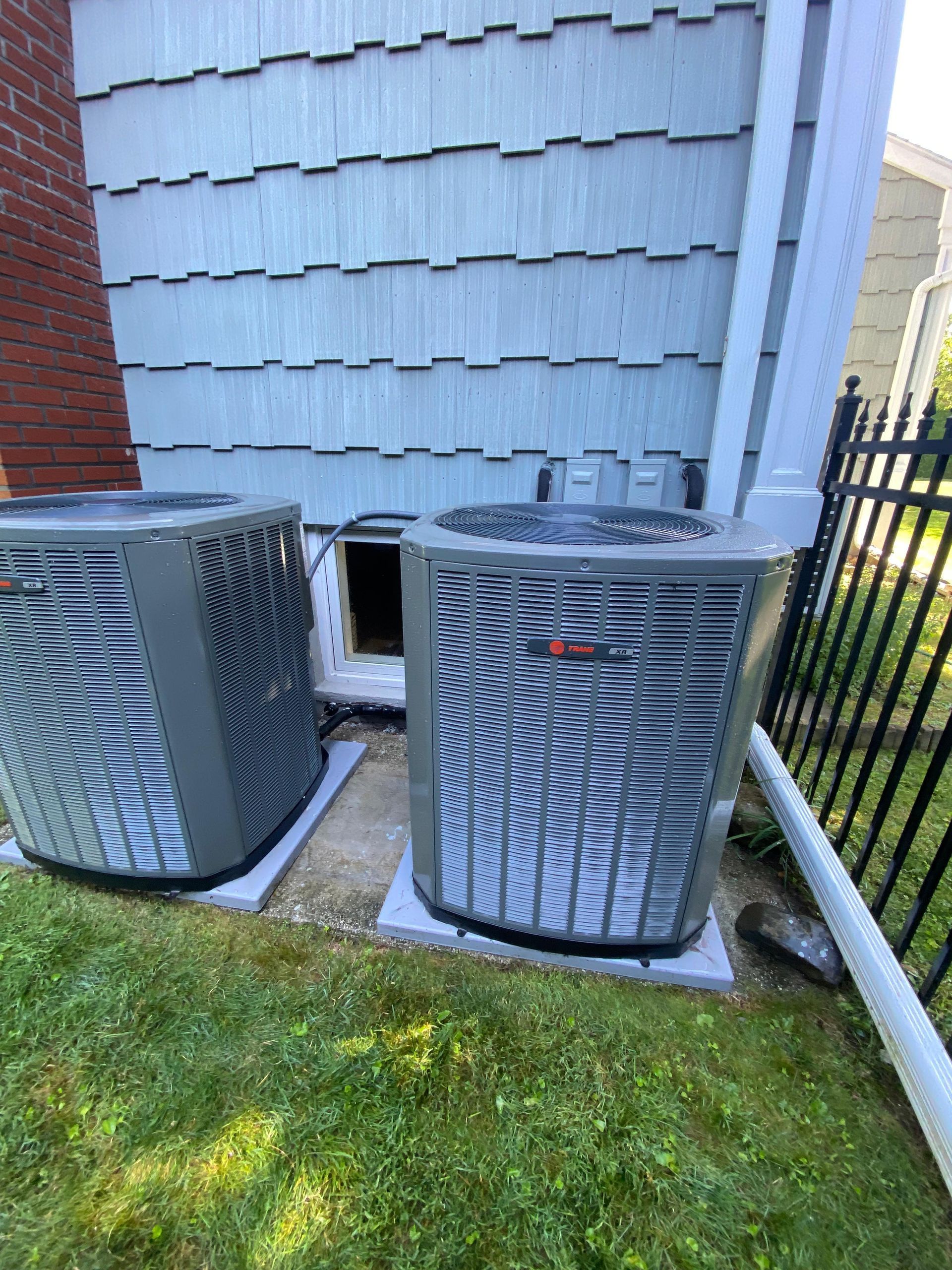
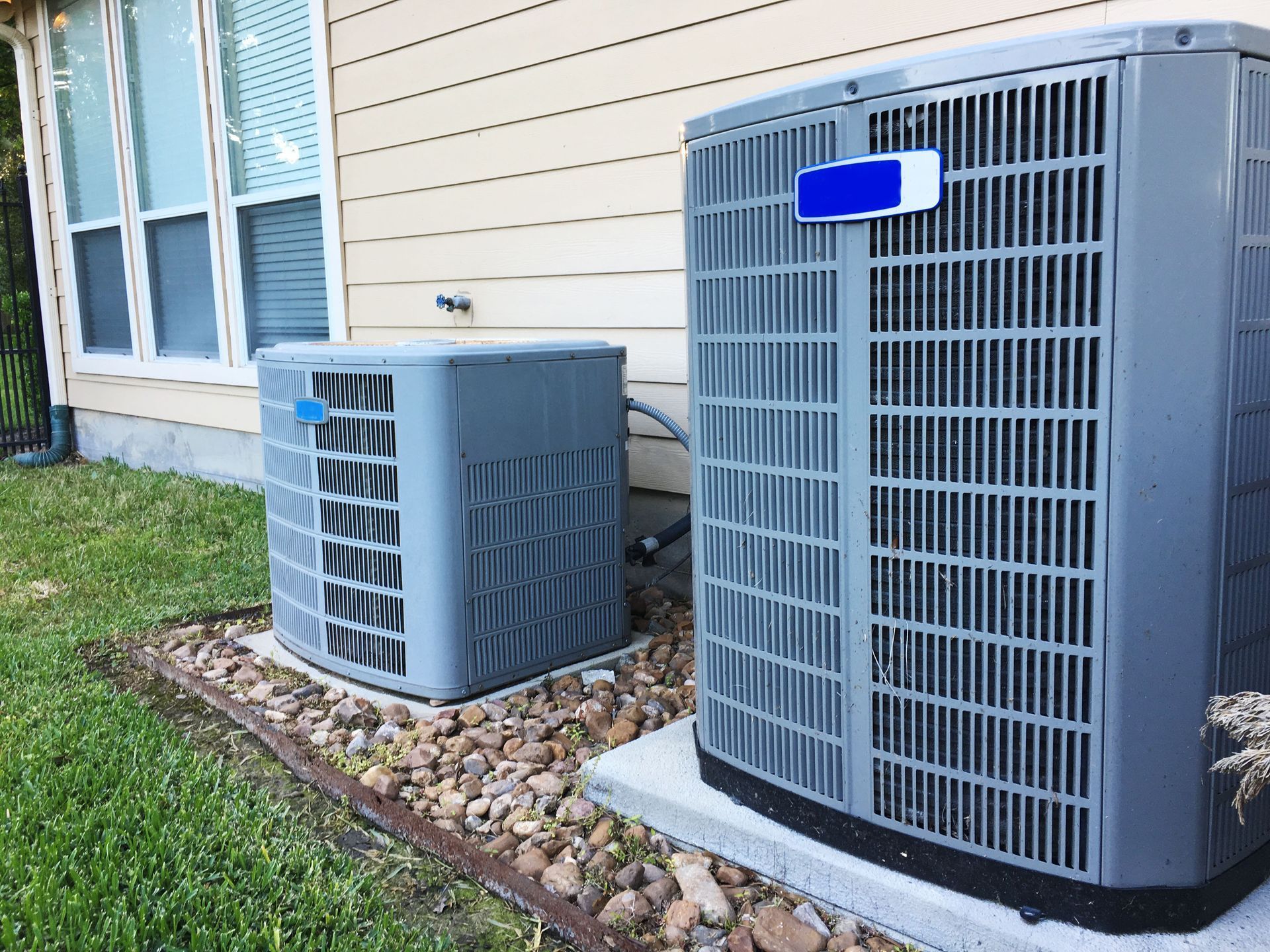
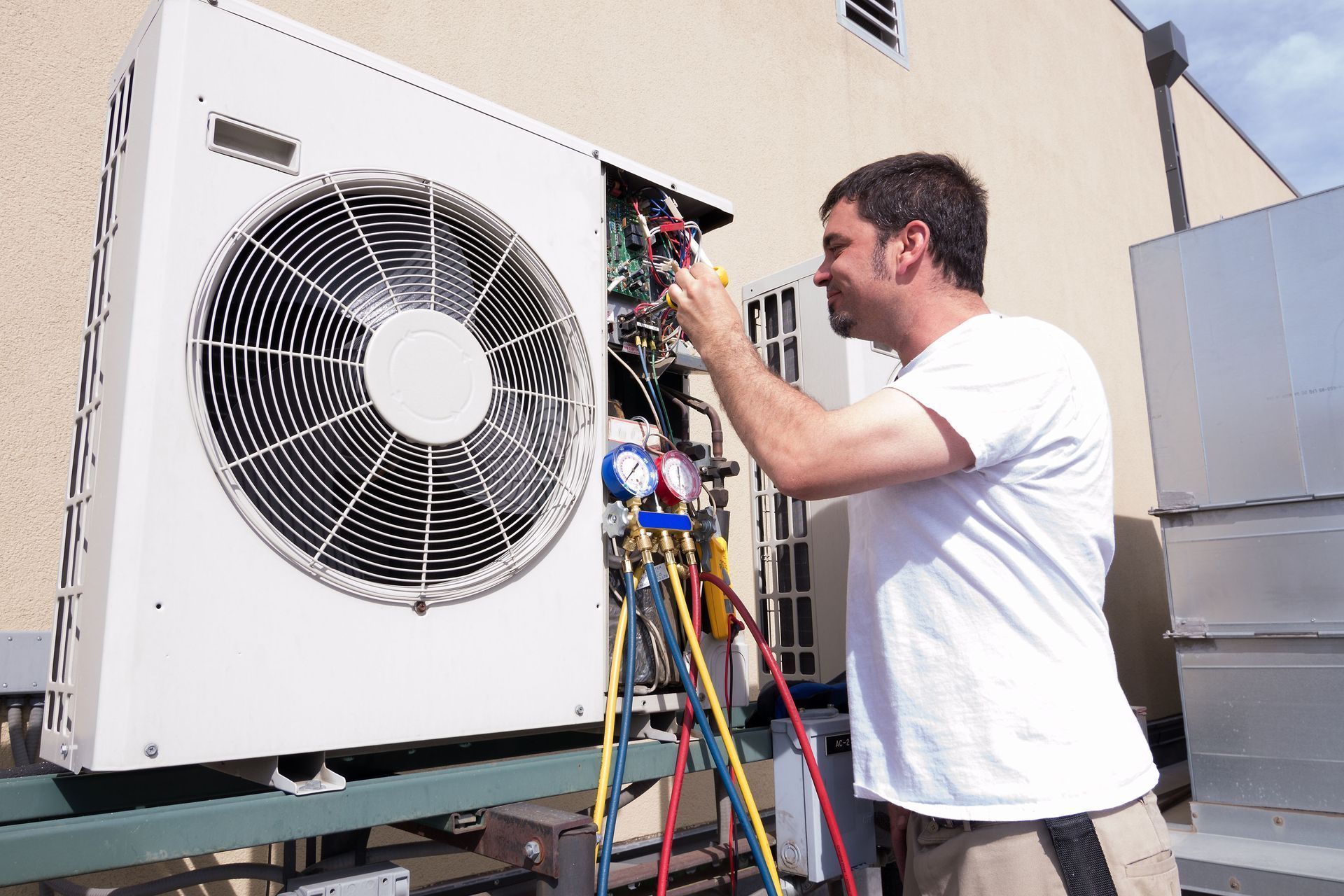
Outdoor units house the compressor and condenser, which are crucial for heat exchange. Proper positioning ensures sufficient ventilation, reduces noise, and allows easy maintenance access. The installation of insulated refrigerant lines, electrical wiring, and condensate drains ensures smooth operation and energy efficiency. Testing and commissioning the system is the final step, confirming proper airflow, temperature control, and operational responsiveness. Smart thermostats or remote apps may be configured for convenient control, giving homeowners flexibility and real-time system monitoring.
During installation, multi-zone systems are set up so that each indoor unit operates independently. This allows homeowners to control each room separately, reducing energy waste in unoccupied areas and enhancing overall comfort. The installer ensures that all electrical connections, refrigerant flows, and condensate drains meet manufacturer specifications. Proper setup at this stage is crucial for longevity, efficiency, and performance, making professional installation a critical component of a successful mini split installation.
Maintain Your Mini Split System
Regular maintenance is essential to keep a mini split system operating efficiently. Cleaning or replacing filters, inspecting refrigerant lines, and checking electrical components prevent performance issues. Scheduling annual professional inspections ensures that minor issues are detected early, avoiding costly repairs. Homeowners should also monitor system performance through smart controls or apps, which provide real-time data on energy usage and operational efficiency.
Maintenance practices, such as cleaning indoor units, verifying condensate drainage, and ensuring outdoor unit ventilation, extend the lifespan of the system and maintain comfort levels. Neglecting maintenance can result in reduced performance, higher energy bills, and potential damage to the compressor or other critical components. A properly maintained system ensures that the benefits of a mini split installation—efficiency, comfort, and indoor air quality—are sustained over time.
A mini split installation is more than a home improvement—it’s a strategic investment in energy efficiency, comfort, and indoor air quality. By carefully selecting the system, preparing the site, choosing a qualified installer, and adhering to maintenance best practices, homeowners can maximize performance and enjoy consistent, zoned climate control for years.
For professional, reliable mini split installation and long-term support, trust HS Enviromax Heating & Cooling Corp. Our experienced team ensures precise system placement, seamless integration, and continued maintenance support, helping you achieve optimal comfort and energy efficiency in your home. Contact HS Enviromax Heating & Cooling Corp today to schedule your
mini split installation
and experience the benefits of a modern, efficient climate control solution.