Proven Ways Improve Your HVAC's Energy Efficiency
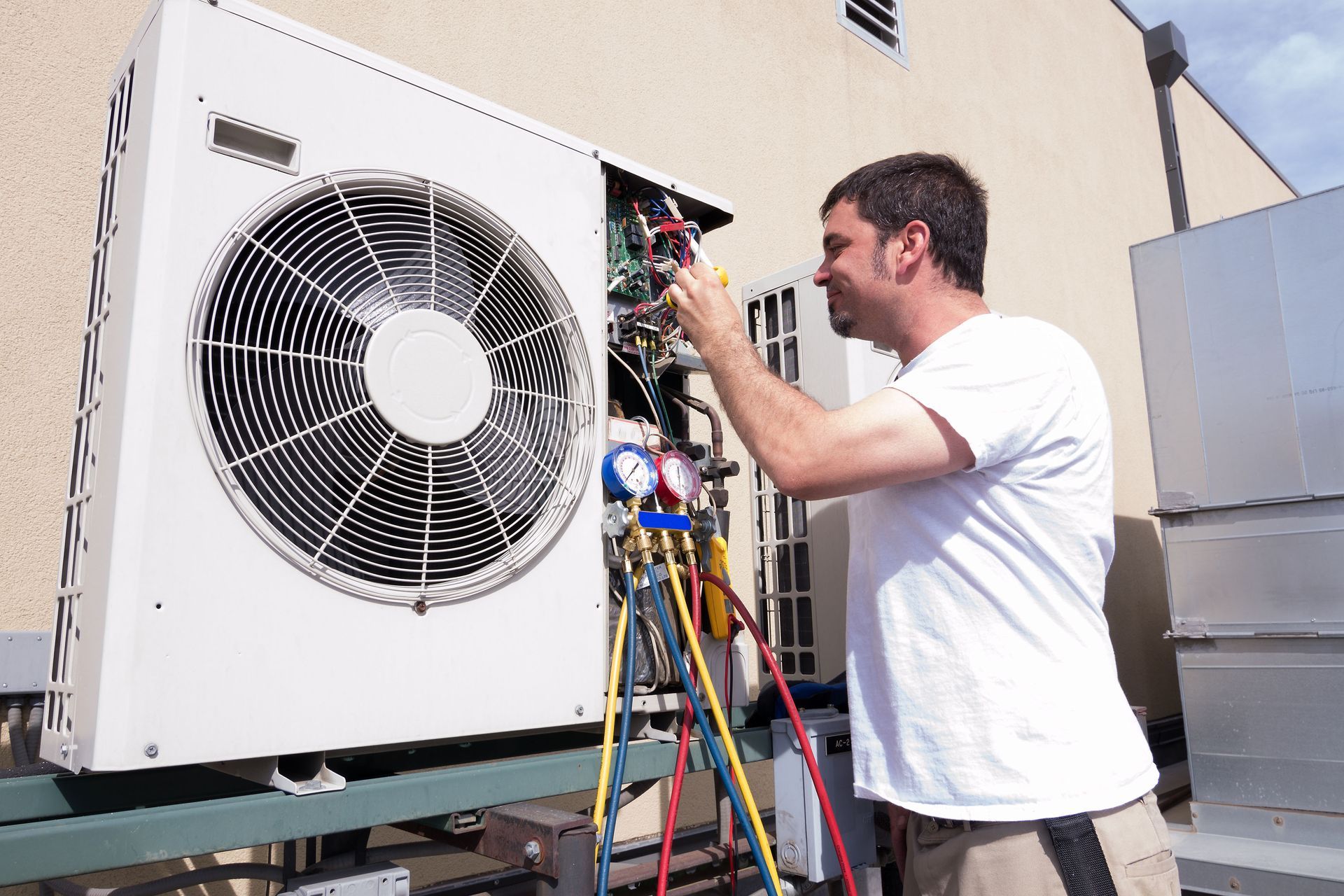
Improving HVAC efficiency begins with understanding how the system is currently performing under real operating conditions. Many homeowners are unaware of inefficiencies that develop gradually over time due to wear, dust buildup, or outdated system components. Professional HVAC companies typically begin with a detailed energy assessment that identifies where performance losses are occurring and how the system can operate more effectively. These evaluations often include airflow testing, duct inspection, thermostat calibration, and overall system diagnostics. According to This Old House, about 52% of the energy used in the standard American home will be for heating and cooling. Because of this significant energy demand, even small inefficiencies can lead to noticeable increases in overall consumption. A professional assessment helps establish a clear baseline for improving energy performance.
Improving Airflow Efficiency Through System Optimization
Airflow plays a major role in how efficiently an HVAC system operates throughout a home or building. When airflow is restricted due to clogged filters, blocked vents, or poorly designed ductwork, the system must work harder to maintain comfortable indoor temperatures. Skilled HVAC companies evaluate airflow patterns and make necessary adjustments to improve circulation and reduce strain on system components. Proper airflow optimization helps ensure that conditioned air is distributed evenly throughout all rooms. This balance not only improves comfort but also reduces unnecessary energy usage. Efficient airflow is one of the most important factors in achieving long-term HVAC performance improvements.
Enhancing System Longevity Through Preventive Maintenance Practices
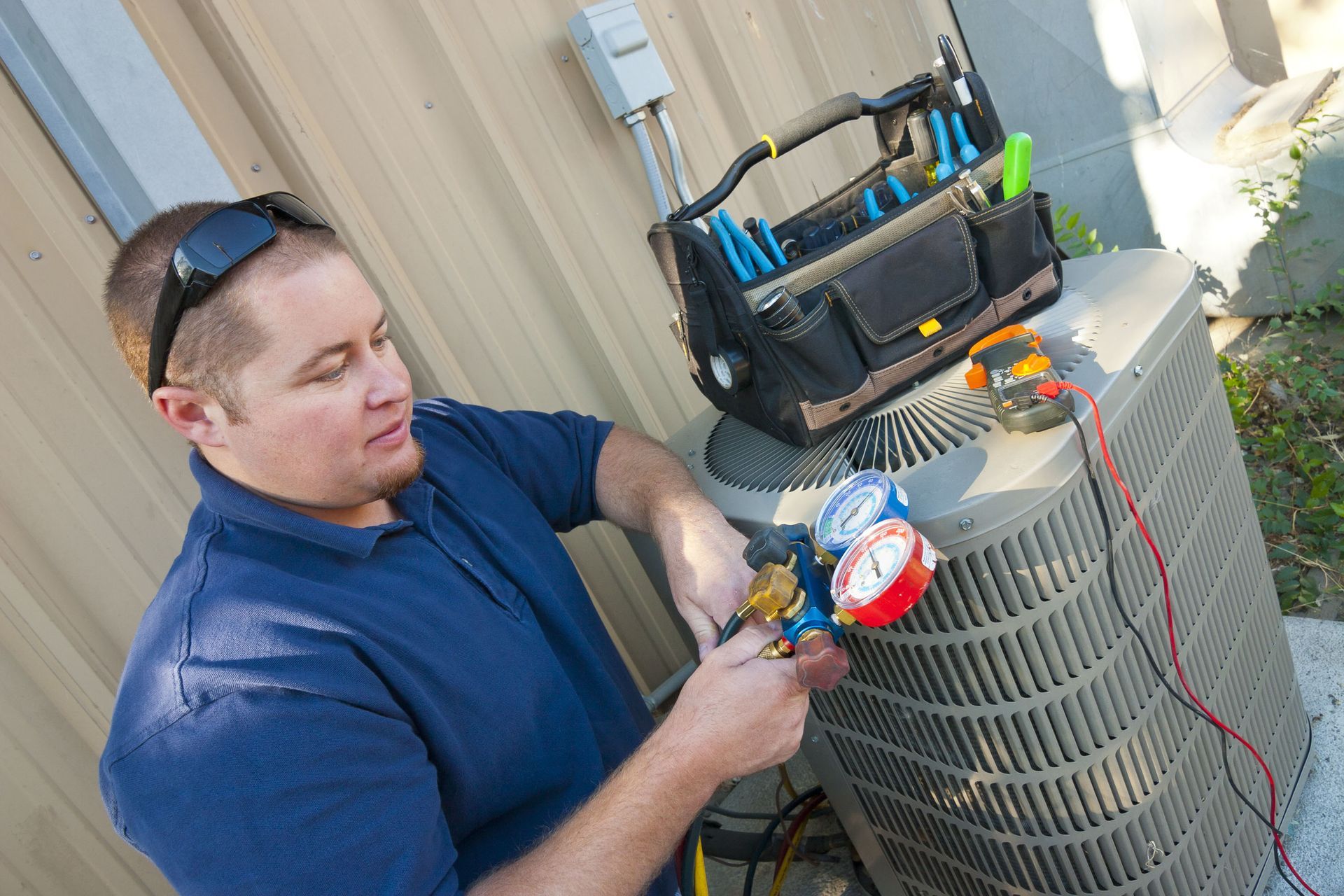
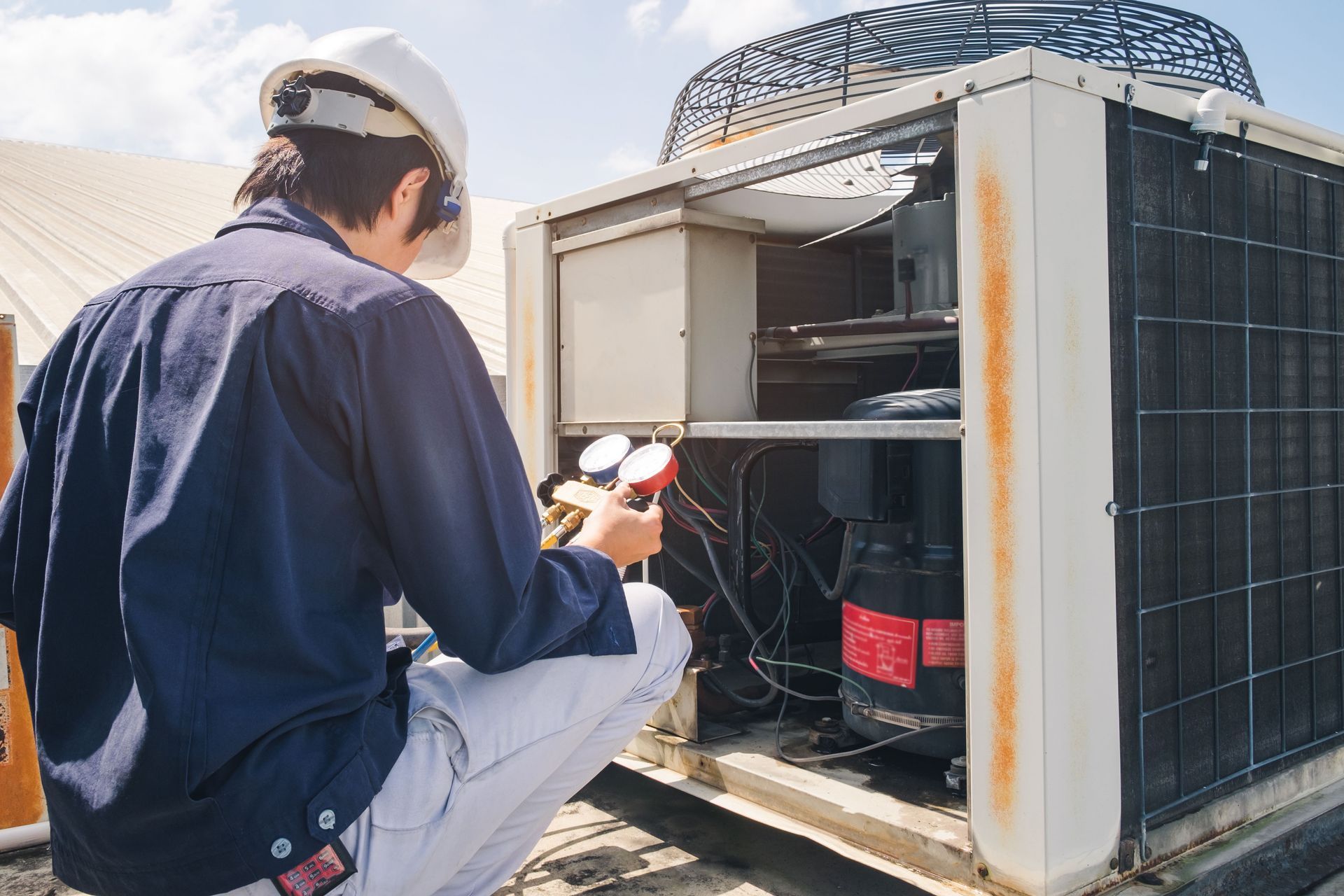
Regular maintenance is essential for keeping HVAC systems operating efficiently over time. Without consistent care, components such as coils, filters, fans, and motors can accumulate dirt and wear that reduces performance. Experienced HVAC companies implement preventive maintenance strategies designed to keep systems running smoothly and efficiently throughout the year. These services often include cleaning internal components, checking refrigerant levels, tightening electrical connections, and inspecting mechanical parts for early signs of failure. Preventive maintenance helps reduce system strain and prevents minor issues from developing into more serious problems. Consistent upkeep supports both energy efficiency and long-term system reliability.
Optimizing Thermostat Usage Through Smart Control Integration
Thermostats play a key role in regulating energy consumption and maintaining indoor comfort levels. Outdated or improperly calibrated thermostats can cause HVAC systems to cycle inefficiently, leading to unnecessary energy usage. Modern HVAC companies often recommend smart thermostat integration to improve control over heating and cooling schedules. Smart thermostats allow users to program temperature settings based on occupancy patterns and daily routines. This reduces energy waste by minimizing heating or cooling when it is not needed. Improved temperature control helps create a more efficient balance between comfort and energy savings.
Improving Ductwork Efficiency Through Proper Inspection and Sealing
Ductwork is responsible for distributing conditioned air throughout a building, and any leaks or damage can significantly reduce system efficiency. Even small gaps in duct connections can result in air loss, forcing the HVAC system to work harder to maintain desired temperatures. Professional HVAC companies inspect duct systems to identify leaks, poor connections, or insulation issues that may be affecting performance. Sealing and insulating ductwork helps prevent air loss and ensures that more conditioned air reaches its intended destination. Proper duct maintenance improves overall system efficiency while reducing energy waste. Efficient duct systems contribute to more consistent indoor comfort levels.
Reducing Energy Waste Through Equipment Upgrades and Modernization
Older HVAC systems often consume more energy due to outdated technology and reduced efficiency compared to modern equipment. As systems age, they may struggle to maintain consistent performance, especially during extreme weather conditions. Experienced HVAC companies help evaluate whether system upgrades or component replacements can improve overall efficiency. Newer HVAC technologies are designed to operate with improved energy management, better airflow control, and more precise temperature regulation. Upgrading key components or replacing outdated systems can significantly reduce long-term energy consumption. Modernization helps ensure that HVAC systems operate at optimal efficiency levels.
Improving Indoor Comfort Through Balanced Temperature Distribution
Uneven heating and cooling are often a sign that an HVAC system is not operating efficiently. Some rooms may feel too warm while others remain too cold, indicating airflow or distribution issues. Professional HVAC companies address these imbalances by analyzing system performance and making adjustments that promote consistent temperature distribution. This may involve recalibrating dampers, adjusting airflow settings, or improving duct design. Balanced temperature distribution helps reduce the need for constant system adjustments, which can increase energy usage. A well-balanced HVAC system improves comfort while supporting more efficient operation.
Supporting Energy Savings Through Proper System Sizing and Design
HVAC efficiency is heavily influenced by whether the system is properly sized for the building it serves. Oversized systems may cycle on and off too frequently, while undersized systems may struggle to maintain comfortable temperatures. Skilled HVAC companies evaluate building size, insulation levels, occupancy patterns, and other factors to ensure proper system design and sizing. Correctly sized systems operate more efficiently and maintain more stable indoor temperatures. Proper design reduces unnecessary strain on equipment and helps extend system lifespan. Efficient system sizing is a foundational factor in long-term energy savings.
Enhancing Efficiency Through Seasonal System Preparation
Seasonal changes can significantly impact how HVAC systems operate throughout the year. Preparing systems for temperature shifts helps ensure they continue running efficiently under changing conditions. Professional HVAC companies perform seasonal tune-ups that prepare heating and cooling systems for peak usage periods. These preparations often include cleaning components, checking system calibration, and ensuring that all parts are functioning properly. Seasonal maintenance helps prevent performance issues during high-demand periods. Proper preparation supports smoother operation and improved energy efficiency throughout the year.
Improving Energy Management Through Zoning Systems
Zoning systems allow different areas of a building to be heated or cooled independently, improving overall energy efficiency. Instead of conditioning the entire space equally, zoning systems direct airflow only to occupied areas. Experienced HVAC companies design and install zoning systems that help reduce unnecessary energy usage. This approach ensures that energy is not wasted on unused rooms or spaces. Zoning also improves comfort by allowing personalized temperature control in different areas of the building. Efficient zoning strategies contribute to more precise and cost-effective HVAC operation.
Strengthening System Performance Through Professional Calibration
Even a well-maintained HVAC system can lose efficiency if it is not properly calibrated. Calibration ensures that all components operate in harmony, including thermostats, sensors, and mechanical systems. Professional
HVAC companies perform calibration services to fine-tune system settings for optimal performance. Proper calibration helps reduce energy waste caused by overworking or underperforming components. It also ensures that the system responds accurately to temperature changes and user settings. Accurate calibration is essential for maintaining peak HVAC efficiency over time.
At HS Enviromax Heating & Cooling Corp, we understand how important energy-efficient HVAC performance is for maintaining comfort and controlling long-term energy use. Our experienced team works with homeowners and businesses to improve system efficiency through professional assessments, maintenance, calibration, and system optimization services. We focus on helping clients achieve better airflow, balanced temperature control, and improved system performance through detailed inspections and expert recommendations. As reliable HVAC company professionals, we are committed to delivering reliable solutions that support long-term comfort and energy savings. Whether you need system evaluation, maintenance, or performance improvements, our team is dedicated to helping your HVAC system operate at its best. Contact HS Enviromax Heating & Cooling Corp today to learn how our professional services can help improve your system’s efficiency and overall performance.
Share On: